
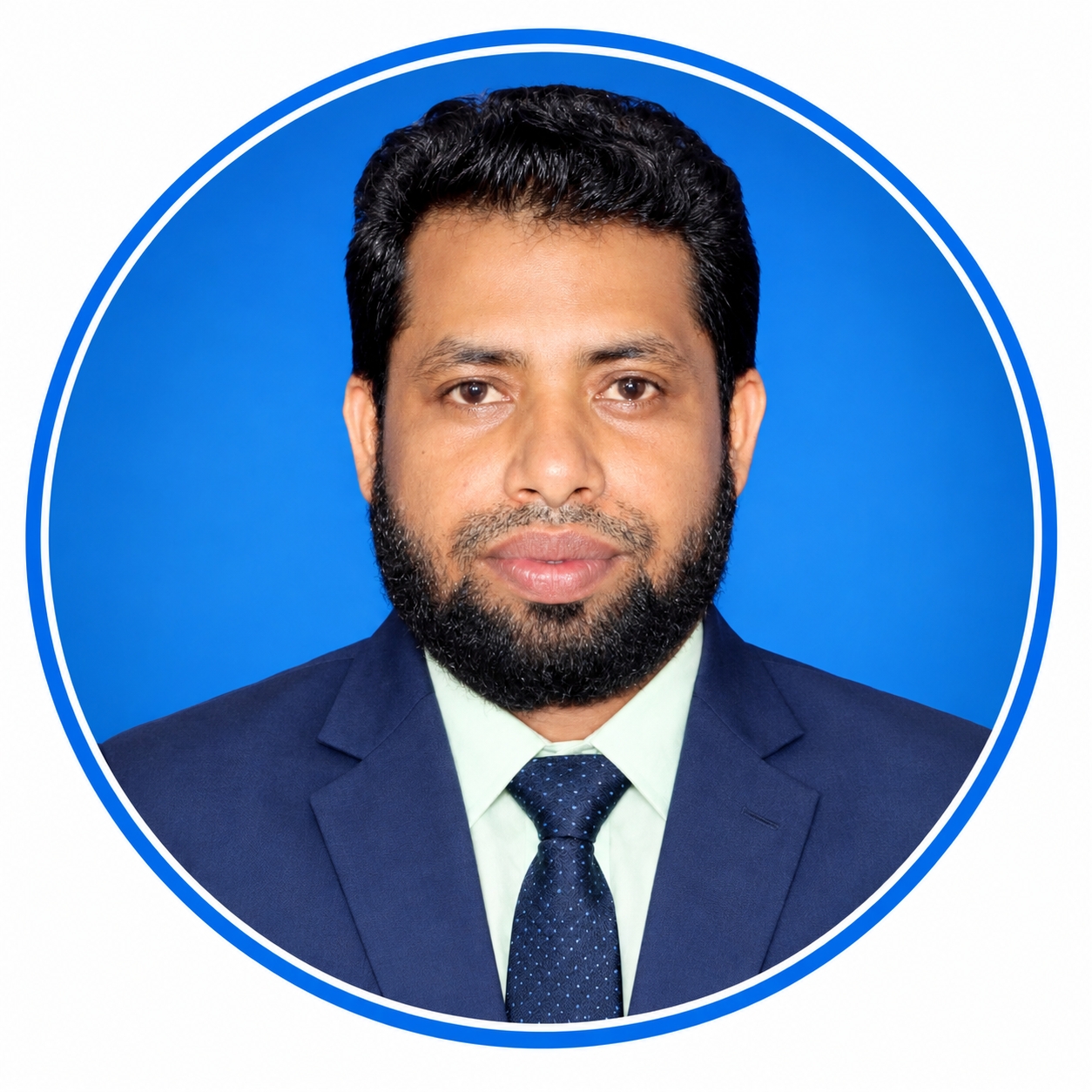
 MOHAMMAD MOINUDDIN
Rangunia (Chattogram) Correspondent
Publication Date: October24, 2026
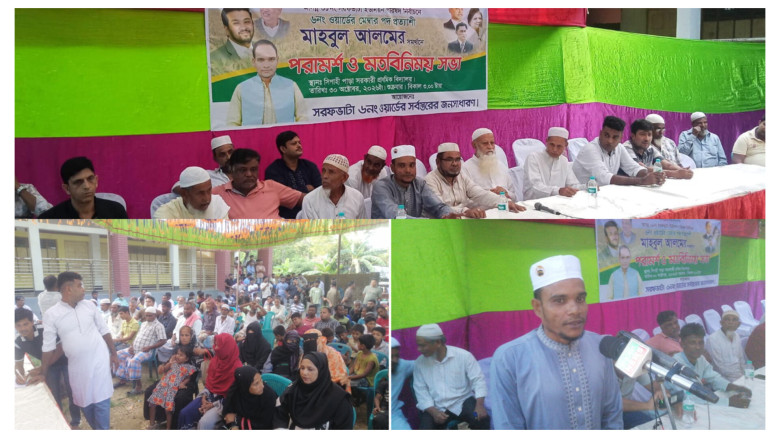
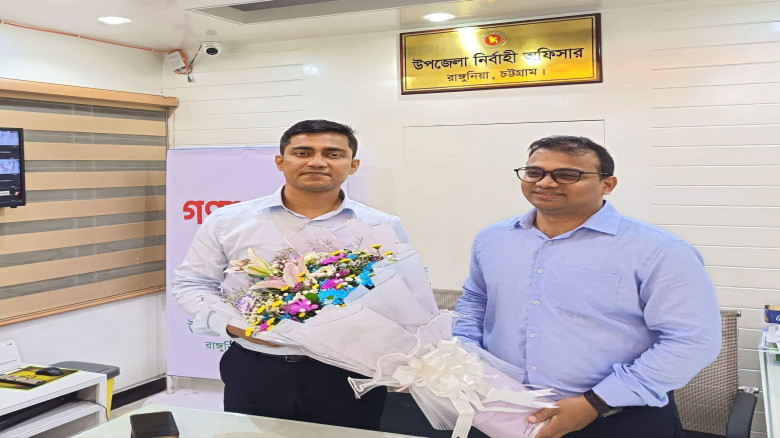
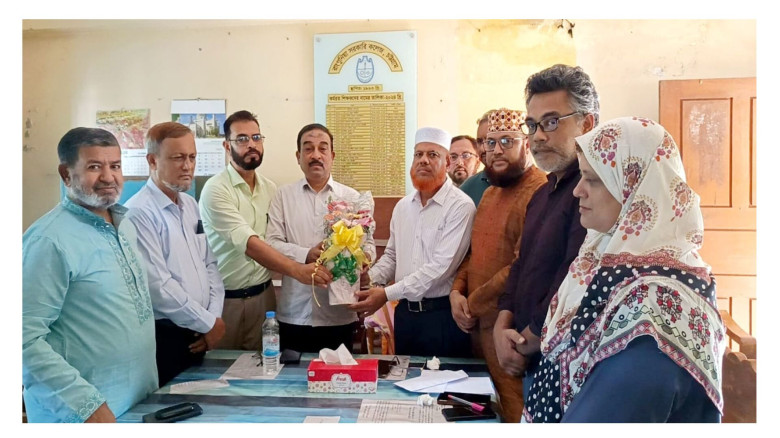
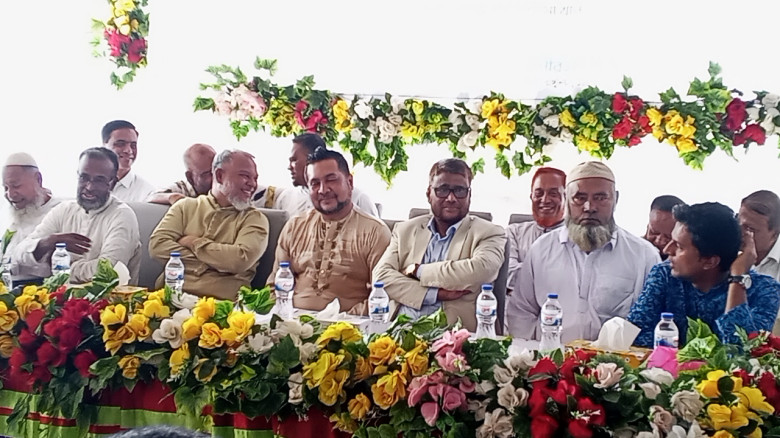
AKS Diagnostic Center has held an exchange meeting with notable personalities in Rangunia Upazila of Chattogram to discuss ways to improve public healthcare services, expand access to quality medical care, and understand the expectations of local residents. The meeting was held on Saturday afternoon, October 24, at the AKS Diagnostic Center in Ranirhat. Discussions focused on improving local healthcare services, making the center's services more accessible to the public, and strengthening communication between the institution and the community.
The meeting was chaired by A.N.M. Taizul Islam, Chief Executive Officer (CEO) of AKS Diagnostic Center, and moderated by student leader Rezaul Karim. Samanzar Shyama Khan, Managing Director of AKS Healthcare and Diagnostic Center, attended as the chief guest. Md. Nomanur Rashid, Executive Director of AKS Khan Properties, was present as the distinguished guest, while Yusuf Chowdhury, Senior Vice-President of Chattogram North District Jubo Dal, delivered the keynote address.
Special guests included Wakil Ahmed, Central Vice-President of Zia Mancha; Shahed Kamal Talukdar and Nasir Uddin, Vice-Presidents of Chattogram North District Jubo Dal; Mahibul Kabir Tamal, personal assistant to MP Humam Kader Chowdhury; Abdul Mannan Roni, President of Islampur Union BNP; Zahedul Alam Chowdhury, President of Ranirhat Bazar Business Association; Yusuf Kamal, Finance Secretary of Chattogram North District Jubo Dal; and former chairman Nesarul Haque Peyaru.
Others present included Khorshed Alam Faruqui, Secretary for Human Rights Affairs of the Central Committee of Zia Mancha; BNP leader and engineer Nasir Uddin Nasu; Sirajul Islam Talukdar, a member of the Upazila BNP; Rezaul Karim Sowdagar, President of Rajanagar Union BNP; Kazi Rakibul Hasan Masud, a leader of Chattogram North District Jubo Dal; ABM Saifuddin; and social worker Kamrul Islam Wadud, among other notable local personalities.
Addressing the meeting, AKS Diagnostic Center CEO A.N.M. Taizul Islam said that the center had modern medical equipment and arrangements for services by specialist doctors. He explained that one of the main objectives of the meeting was to gather feedback from members of civil society about the quality of the center's services, identify existing challenges, and discuss possible solutions.
He further stated that the institution was taking initiatives to make its activities more responsive to public needs by understanding local healthcare demands and expectations. He emphasized the importance of strengthening communication with local dignitaries, representatives of social organizations, and people from different walks of life so that residents could easily access information about diagnostic tests and other healthcare-related services.
During the meeting, participants shared their views on various aspects of healthcare delivery and quality improvement in Rangunia Upazila. They emphasized that effective publicity, regular communication with doctors, and greater public awareness of available healthcare services could play an important role in making medical services more accessible to local residents.
The participants stressed the need to strengthen communication with doctors working at different levels across the upazila. They also suggested distributing promotional leaflets about AKS Diagnostic Center throughout the area, providing local residents with information about the institution's services, and developing a database of patients suffering from various diseases.
According to the participants, systematically collecting and analyzing healthcare-related information could help identify the needs of the local population more effectively. However, they also emphasized that patient confidentiality and data security must be ensured when collecting and maintaining medical information. Appropriate procedures should be followed to protect personal information while assessing patients' needs and healthcare demands.
The speakers further noted that improving healthcare services in a particular area requires cooperation among medical institutions, doctors, local representatives, social organizations, and people from different professional backgrounds. They observed that regular communication and consultation among these stakeholders could help identify shortcomings in healthcare delivery and create opportunities to take effective measures to address them.
The exchange meeting provided an opportunity to discuss local healthcare needs, promote the center's services, and strengthen communication with the community. The participating dignitaries shared their opinions and recommendations, which could help guide the institution's future activities.
Such exchange meetings can create opportunities for greater cooperation among relevant stakeholders and contribute to efforts to improve public healthcare services in Rangunia. The importance of considering local residents' expectations and continuing initiatives to enhance service quality was also highlighted during the discussion.