
 JhuleKa Kanoon Juli
Publish date:13 October 2026
Sylhet Correspondent
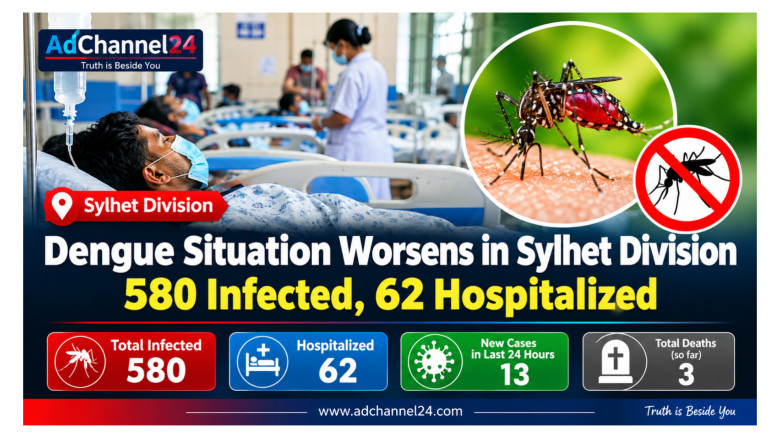
The dengue situation in Sylhet Division has raised fresh concerns as the number of infections continues to draw attention. The growing number of cases highlights the need to strengthen public awareness and preventive measures. According to the health department figures cited in reports, a total of 580 people had been infected with dengue in Sylhet Division as of October 13, 2026. Patients are receiving treatment in hospitals, while greater emphasis is being placed on awareness to reduce the risk of complications.
According to the published reports, 13 new dengue cases were identified in Sylhet Division in the previous 24 hours. The reports also mentioned that 62 patients were hospitalized. A total of three deaths from dengue had been reported in the division so far this year. However, no new dengue-related deaths were reported during the latest 24-hour period, according to the published information.
The timely identification of dengue cases, ensuring appropriate medical care, and preventing mosquito breeding are essential to controlling the disease. In particular, stagnant water in different locations can create favorable breeding conditions for Aedes mosquitoes, especially during and after the rainy season. Therefore, it is important to keep homes, educational institutions, offices, commercial establishments, and surrounding areas clean on a regular basis.
Dengue is transmitted by infected Aedes mosquitoes, which commonly breed in stagnant water. Water accumulating in rooftop containers, flowerpots, discarded vessels, coconut shells, old tires, water tanks, and construction materials can provide suitable conditions for mosquito larvae to develop. Regularly checking these places, removing stagnant water, and keeping water containers properly covered can significantly help reduce mosquito breeding.
One of the most important aspects of public health awareness is recognizing dengue symptoms and seeking medical advice without delay. Common symptoms include fever, headache, pain behind the eyes, muscle and joint pain, nausea, and skin rashes. However, symptoms may vary from person to person. Anyone who develops a fever should consult a healthcare professional and undergo medical tests when necessary.
According to medical advice, people diagnosed with dengue should maintain adequate fluid intake and follow their doctors' instructions. Warning signs such as severe abdominal pain, persistent vomiting, bleeding from the nose or gums, unusual weakness, breathing difficulties, or excessive drowsiness require immediate medical attention. People suspected of having dengue should not take medicines such as aspirin or ibuprofen without medical advice, as these drugs may increase the risk of bleeding.
In the current situation, strengthening public awareness campaigns is as important as ensuring adequate treatment for patients in hospitals across Sylhet Division. Coordinated initiatives involving the local administration, health authorities, city corporations, and municipalities could help identify mosquito breeding sites and conduct regular cleaning drives. Removing stagnant water from residential areas, cleaning drains, and ensuring proper waste management are also essential measures.
Government initiatives alone are not enough to prevent dengue; individual and household awareness is equally important. Residents should avoid allowing water to accumulate around their homes, use appropriate mosquito repellents when necessary, wear clothing that covers the body, and take measures to prevent mosquitoes from entering their homes through doors and windows. Children, older adults, and other vulnerable individuals should receive prompt medical attention if they develop a fever or other concerning symptoms.
Regular monitoring of infection rates and hospital admissions is necessary to keep the dengue situation in Sylhet Division under control. Any gaps in disease detection, treatment arrangements, or mosquito control activities should be identified promptly so that the relevant authorities can take appropriate action.
According to the figures cited in the latest reports, the total number of dengue cases in Sylhet Division had reached 580 as of October 13, while 62 patients were reported to be hospitalized. However, these figures may change as new cases are identified and updated information becomes available. For the latest situation, readers should consult official updates from the relevant health authorities.
Overall, coordinated efforts to prevent dengue in Sylhet Division need to be strengthened without delay. Eliminating mosquito breeding sites, maintaining clean surroundings, raising awareness about symptoms, and seeking timely medical care can help reduce the spread of the disease and the risk of serious complications. The combined efforts of individuals, families, local administrations, and health authorities will play a crucial role in controlling the dengue situation.