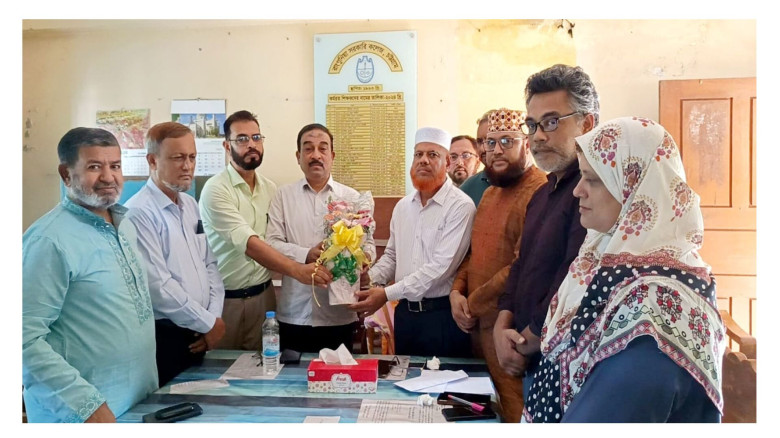

 Shajeda Begum
Staff Reporter | AdChannel24.com
Publication Date: October 20, 2026
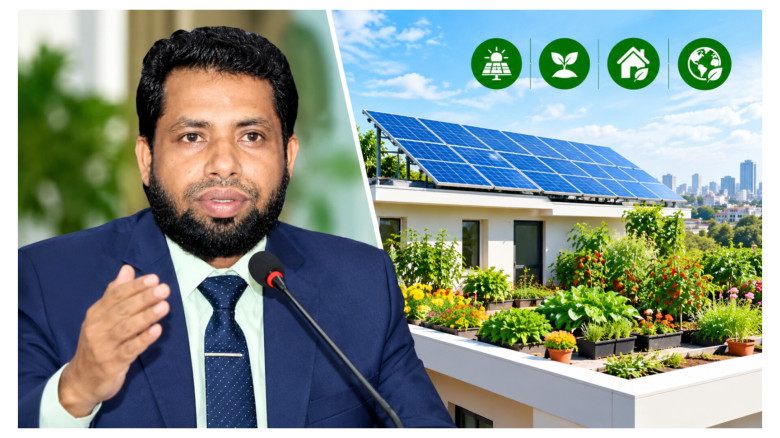
Moin has proposed making rooftop solar power systems and rooftop gardens mandatory for every house in Bangladesh. The proposal highlights the potential benefits of reducing dependence on conventional energy sources, protecting the environment, managing urban temperatures, and increasing green spaces.
At a time when Bangladesh faces growing electricity demand, rising fuel import costs, and the effects of climate change, making better use of unused rooftop spaces could help address both energy and environmental challenges.
Bangladesh has already taken several initiatives to expand rooftop solar power generation. The government's National Rooftop Solar Programme includes measures related to solar installations, incentives, and net metering guidelines. Therefore, using rooftops to generate electricity is also relevant to the country's broader energy planning.
Rooftop solar systems use solar panels to convert sunlight into electricity. The electricity generated can be used for various household needs. Depending on the system type and the applicable connection arrangements, surplus electricity may also be supplied to the national grid. This could help reduce pressure on conventional electricity supplies.
In particular, the rooftops of residential buildings, apartment complexes, educational institutions, and commercial establishments in urban areas could serve as valuable spaces for solar power generation. With proper planning, these rooftops could increase building-level electricity production and support the wider adoption of renewable energy.
However, making rooftop solar installations mandatory for every house would require careful consideration of several factors, including rooftop area, structural strength, access to sunlight, installation costs, and household affordability. Alternative arrangements would also be necessary for buildings whose rooftops are too small, heavily shaded, or technically unsuitable for solar installations.
Rooftop gardens, meanwhile, could play an important role in improving the urban environment. Growing vegetables, fruit-bearing plants, medicinal herbs, and ornamental plants on rooftops can create greener surroundings while providing households with opportunities to produce some fresh vegetables for their own consumption. Plants may also help reduce the direct impact of sunlight on rooftop surfaces.
In densely populated cities, green spaces are often limited because of the concentration of buildings and paved roads. Rooftop gardening could offer a practical way to increase urban greenery. Plants on rooftops may also provide small habitats for birds and certain beneficial insects.
Nevertheless, the structural capacity of a building must be assessed before establishing a rooftop garden. The combined weight of pots, soil, water, and plants can place additional loads on a roof. Proper drainage, waterproofing, and regular maintenance must also be considered. Where necessary, building owners should seek advice from qualified engineers and relevant specialists before installing rooftop gardens.
A coordinated approach would be necessary to combine rooftop solar systems with gardens. Rooftop space should be divided carefully to ensure that solar panels receive sufficient sunlight and that plants do not cast shadows that reduce electricity generation. Measures should also be taken to prevent irrigation water from damaging electrical equipment.
Implementing such a proposal would require coordinated efforts by the government, local administrations, city corporations, municipalities, housing companies, and property owners. When approving plans for new buildings, authorities could consider allocating suitable rooftop space for solar installations and greenery. Existing buildings could be included through a phased implementation programme.
To encourage wider participation, important measures could include low-interest loans, affordable installment plans for purchasing solar equipment, training, and technical assistance. Government support and practical policies would be particularly important to ensure that low- and middle-income households do not face excessive financial pressure.
Public participation is also essential for building environmentally friendly cities. Planting trees and other vegetation on rooftops, improving rainwater management, reducing electricity waste, and increasing the use of renewable energy could collectively contribute to positive environmental change.
With long-term planning informed by expert advice and practical considerations, Bangladesh could make further progress in energy conservation, urban greening, and environmental protection by expanding the use of rooftop solar power and rooftop gardens.